
logo

The Mandala Method

A cyclical, value-rooted, neuroscience-aligned learning system for modern children.

How The Mandala Method Works

This rhythm repeats through every Mandala allowing children to learn without overstimulation or burnout.

title-box-color
  • Age 2–4 Years (The Seekers)
  • Age 4–6 Years (The Explorers)
  • Age 6–9 Years (The Builders)
  • Age 9–12 Years (The Thinkers)
  • Age 12–14 Years (The Leaders)

What Needs To Develop

  • Sensory integration
  • Emotional safety
  • Motor skills (fine & gross)
  • Early speech

What Needs To Develop

  • Sensory integration
  • Emotional safety
  • Motor skills (fine & gross)
  • Early speech

What Needs To Develop

  • Sensory integration
  • Emotional safety
  • Motor skills (fine & gross)
  • Early speech

What Needs To Develop

  • Sensory integration
  • Emotional safety
  • Motor skills (fine & gross)
  • Early speech

What Needs To Develop

  • Sensory integration
  • Emotional safety
  • Motor skills (fine & gross)
  • Early speech

What Needs To Develop

  • Sensory integration
  • Emotional safety
  • Motor skills (fine & gross)
  • Early speech

What Needs To Develop

  • Sensory integration
  • Emotional safety
  • Motor skills (fine & gross)
  • Early speech

What Needs To Develop

  • Sensory integration
  • Emotional safety
  • Motor skills (fine & gross)
  • Early speech

What Needs To Develop

  • Sensory integration
  • Emotional safety
  • Motor skills (fine & gross)
  • Early speech

What Needs To Develop

  • Sensory integration
  • Emotional safety
  • Motor skills (fine & gross)
  • Early speech

What Needs To Develop

  • Sensory integration
  • Emotional safety
  • Motor skills (fine & gross)
  • Early speech

What Needs To Develop

  • Sensory integration
  • Emotional safety
  • Motor skills (fine & gross)
  • Early speech

What Needs To Develop

  • Sensory integration
  • Emotional safety
  • Motor skills (fine & gross)
  • Early speech

What Needs To Develop

  • Sensory integration
  • Emotional safety
  • Motor skills (fine & gross)
  • Early speech

What Needs To Develop

  • Sensory integration
  • Emotional safety
  • Motor skills (fine & gross)
  • Early speech

The 5-Step Mandala Cycle

This cycle mirrors Shravan → Manan → Nididhyasan.

title-box-color
the5-step-cyclebg the5-step-cycleman
cycle-1
Udgam (Origin)

Impression → sensory initiation → curiosity spark.

cycle-2
Vistaar (Expansion)

Exploration → connection → observation.

cycle-3
Saar (Essence)

Meaning → insight → moral core.

cycle-4
Prayog (Practice)

Application → daily life → action.

cycle-5
Ananda (Joy)

Reflection → gratitude → inner fulfillment.

cloude-yellow rocket-orange

The 9 Pillars of Gurukul 2.0

Every child grows through these nine petals balancing wisdom, health, creativity and character.

title-box-color
Physical (Annamaya) - Body Mastery
  • Posture
  • Motor skills
  • Strength & balance

Children cannot focus or learn if the body is unstable.

Breath (Pranamaya) - Calm Energy
  • Nervous system regulation
  • Emotional grounding

Breath is the bridge between body, emotion & mind.

Emotion (Manomaya) - Regulation
  • Emotional naming
  • Expression
  • Regulation strategies

Emotion = the gateway to all learning and behavior.

Culture (Manomaya ) - Rooted Identity
  • Values
  • Identity
  • Pride in heritage

Rooted children become confident, stable adults.

Intellect (Vijnanamaya) - Understanding
  • Reasoning
  • Interpretation
  • Concept clarity

A calm brain can think, analyze, and absorb deeply.

Speech (Vijnanamaya) - Communication
  • Vac Suddhi (clear speech)
  • Language fluency
  • Confidence in articulation

Speech shapes identity, confidence, and learning.

Logic & Tech (Vijnanamaya) - Future Skills
  • Coding logic
  • Math reasoning
  • Digital ethics

Children need tech wisdom, not tech addiction.

Nature & Art (Manomaya) - Creativity
  • Observation
  • Imagination
  • Aesthetic intelligence

Creativity = future innovation + emotional wellbeing.

Leadership (Anandamaya) - Purpose
  • Courage
  • Discipline
  • Decision-making

Leadership is the soul of the Gurukul tradition.

Weekly Rhythm

The Gurukul 2.0 Method aligns learning with the natural unfolding of these five layers.

week-1
Udgam × Vistaar
week-2
Vistaar
week-3
Prayog
week-4
Saar + Ananda
rainbow-image
education-bg
icon-elemant-1 banner-elements-1

Education as Rhythm, not Race.

This rhythm repeats through every Mandala allowing children to learn without overstimulation or burnout.

title-box-color
ragulare-icon

Regulate

Begin each day with breath, calm, and grounding.

sensory-icon

Sensory

Engage the five senses to prepare attention and curiosity.

calm-icon

Calm

Emotional centering through gratitude, art, and connection.

learn-icon

Learn

Focused learning through story, science, and creation.

Mandala Method vs Other Methods

Comparative credibility section

title-box-color
Aspect Montessori Schools RS Schools Gurukul 2.0
Values
cross
cross
cross
cross
right-icon
Emotional Regulation
cross
cross
cross
cross
right-icon
right-icon
Culture
cross
right-icon
cross
cross
right-icon
right-icon
Focus Training
right-icon
cross
cross
cross
right-icon
right-icon
Holistic Growth
right-icon
right-icon
right-icon
cross
right-icon
right-icon
right-icon
Rhythm-Based Learning
cross
right-icon
cross
cross
right-icon
right-icon
right-icon

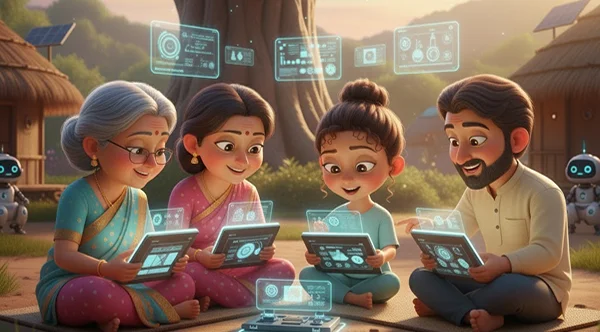
Be Part of the Gurukul Revolution

Reimagine learning where discipline, curiosity, and technology meet.
Gurukul-Revolution

Stay Connected to Wisdom

Get parenting tips, learning resources & updates straight to your inbox.